Do you ever feel like photography has become a race to the newest, most expensive equipment? Don’t get me wrong, I also spend far too much time in front of the glass window displays of my local cameras shop, but sometimes I can’t shake the feeling that we’ve lost something along the way.
About two weeks ago, I found a little Samsung point-and-shoot camera in a flea market. The exterior was beat-up and paint-scratched but the battery terminal was in perfect condition. €8 and two batteries later it worked, and I unknowingly stepped into a new chapter in my photography journey.

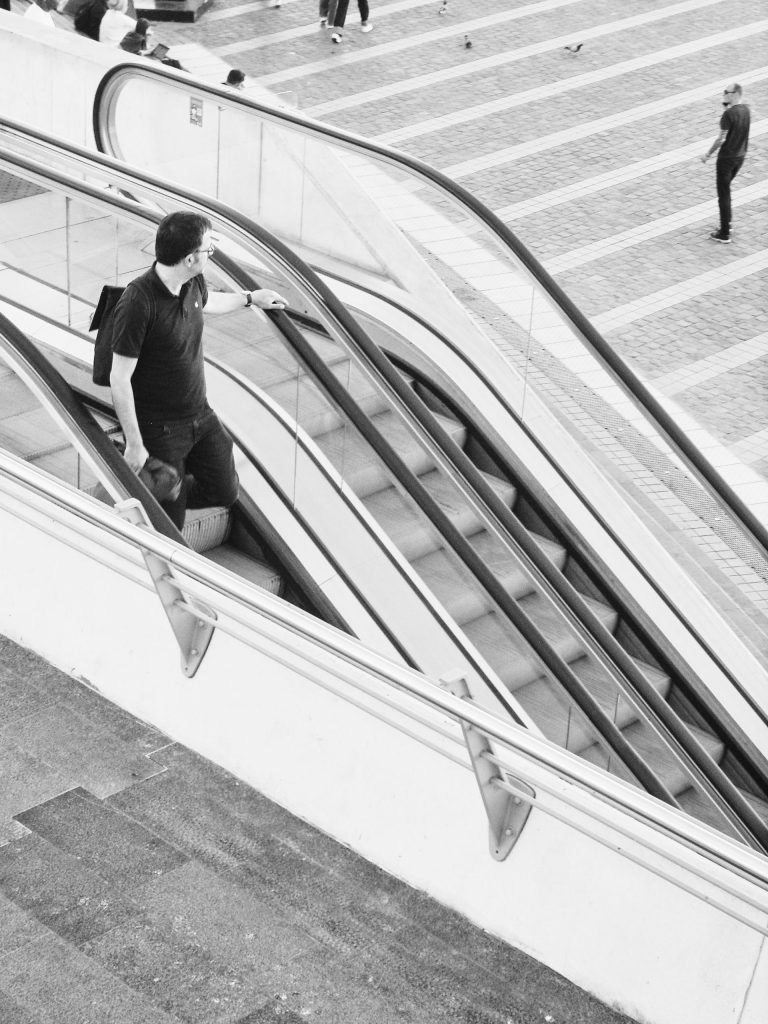
I tested it out in Liège-Guillemins train station over the next week. Cool architecture, plenty of compositions, and some great lighting, the perfect testing ground for a new camera. I snapped away for about an hour while I waited for my train, hoping that it wasn’t a big waste of time. That evening, I looked through the photos and I was amazed.
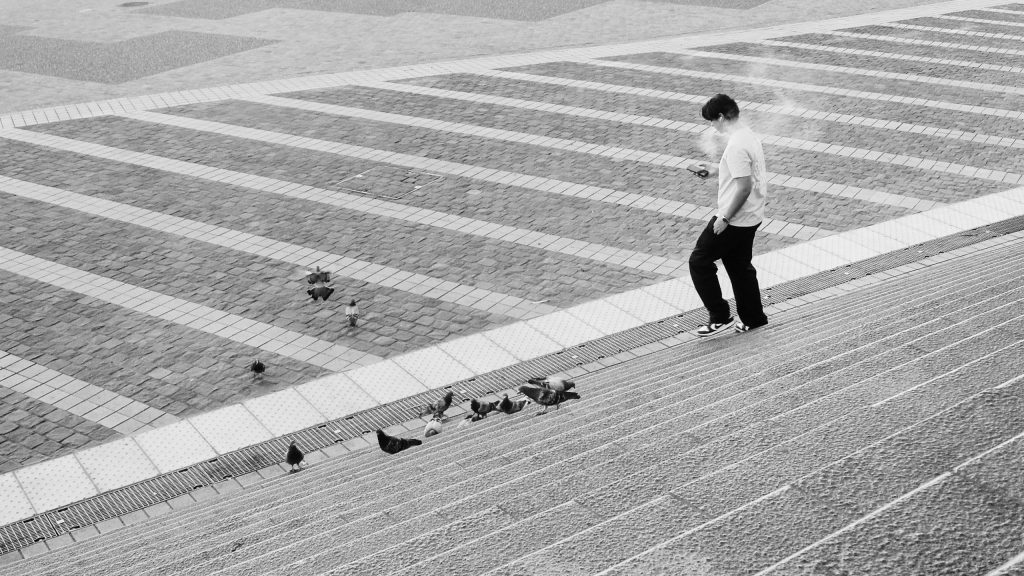
Were the images perfect? Certainly not. But they were very good considering the camera was 18 years old and probably didn’t cost much even in 2007. But the biggest change was in my own photography. Until this camera, I have always used DSLRs for street photography. They have great quality and are fast and reliable, but they’re also big, loud, and most importantly, everyone notices your big fancy camera and knows you’re taking photos of them.
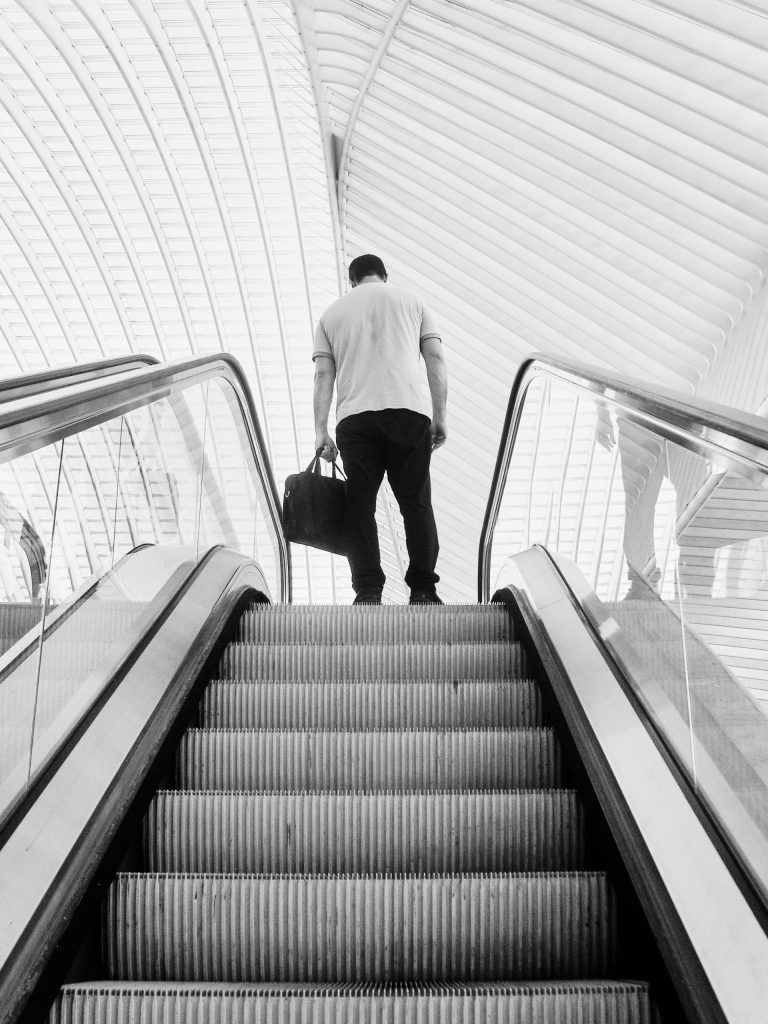
But it was a different story with the little point-and-shoot. It’s very small, easily fitting in my pocket. It’s light and I can operate it with just one hand. It has a silent shutter, which I have mixed feelings about on an ethical point of view, but it means you can take pictures silently. And my eye improved. I started seeing and taking more photos around me.
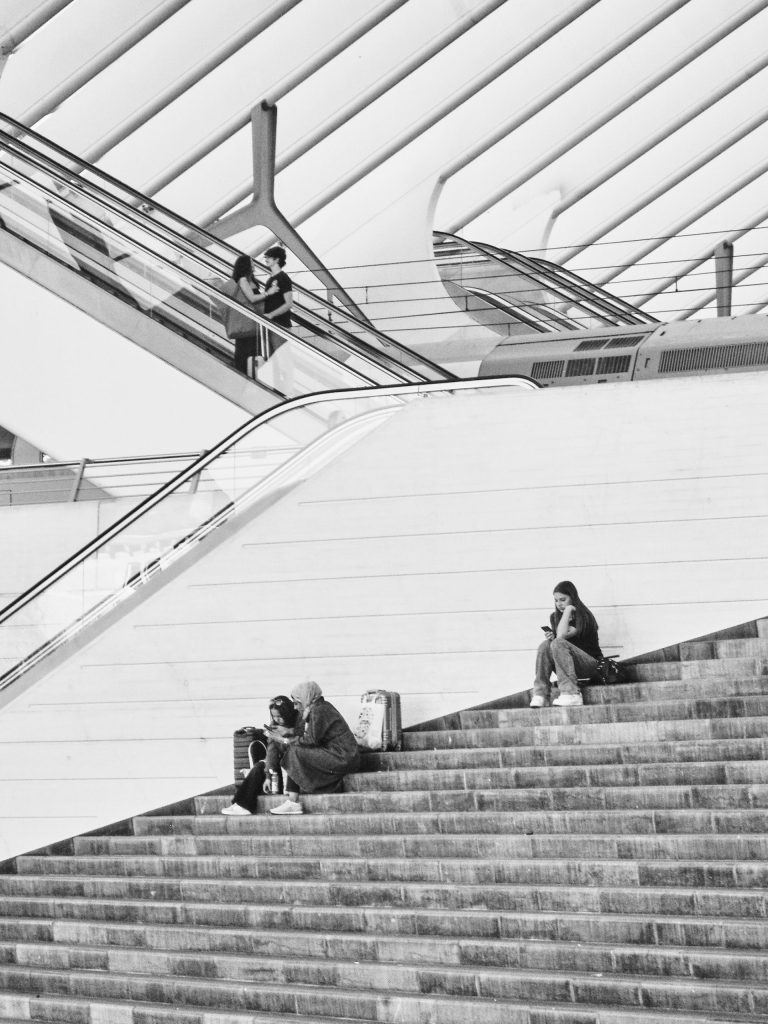
Most importantly, I don’t look like I know what I’m doing, and I very obviously don’t have fancy equipment on me. Safety is one of my biggest concerns when I do street photography, and when I have a DSLR, I become a walking target. With an old point-and-shoot, I just look like any other Gen-Zer, hopping on the trend of going back to old digital cameras, a trend that I fully support and have now accidentally fallen into myself.
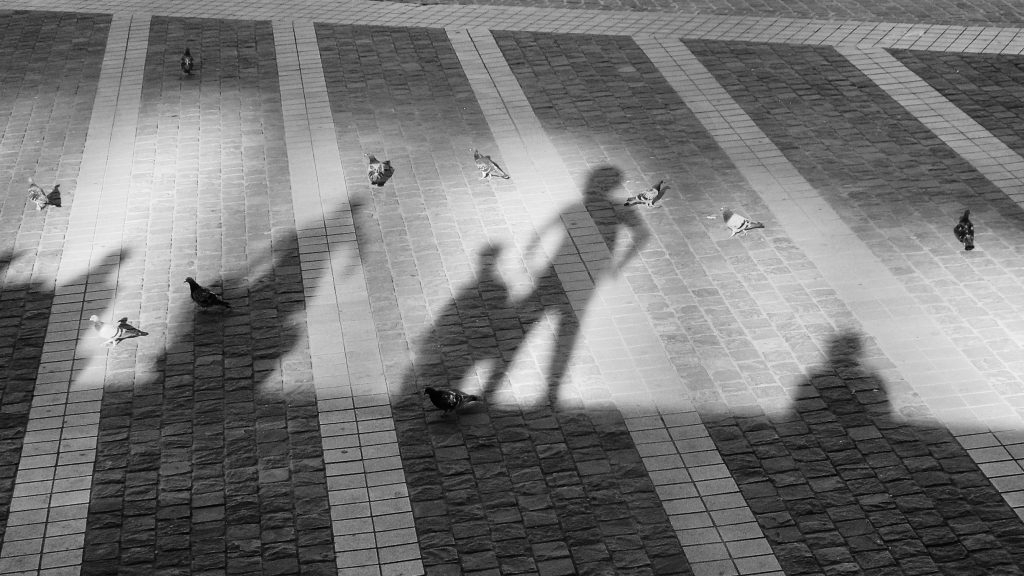
And, sure, there are many reasons why digital point-and-shoot cameras are not the best choice. They’re not great for anything that moves quickly. The low-light focusing is pretty bad, to the point of frustration knowing that you’re missing a photo because of it. In fact, I can probably list more reasons why not to use one than why you should, but the benefits outweigh the cost in my opinion.
I’m still testing the camera to its limits. While I certainly wouldn’t rely on it to shoot a wedding, I’m curious to see how far I can push it and how it compares to my 20-year-old DSLR. And while I know I won’t use it for everything, it’s fun to have a camera that can take decent street photos that can also fit in my pocket and help me blend in with the crowd a bit more.
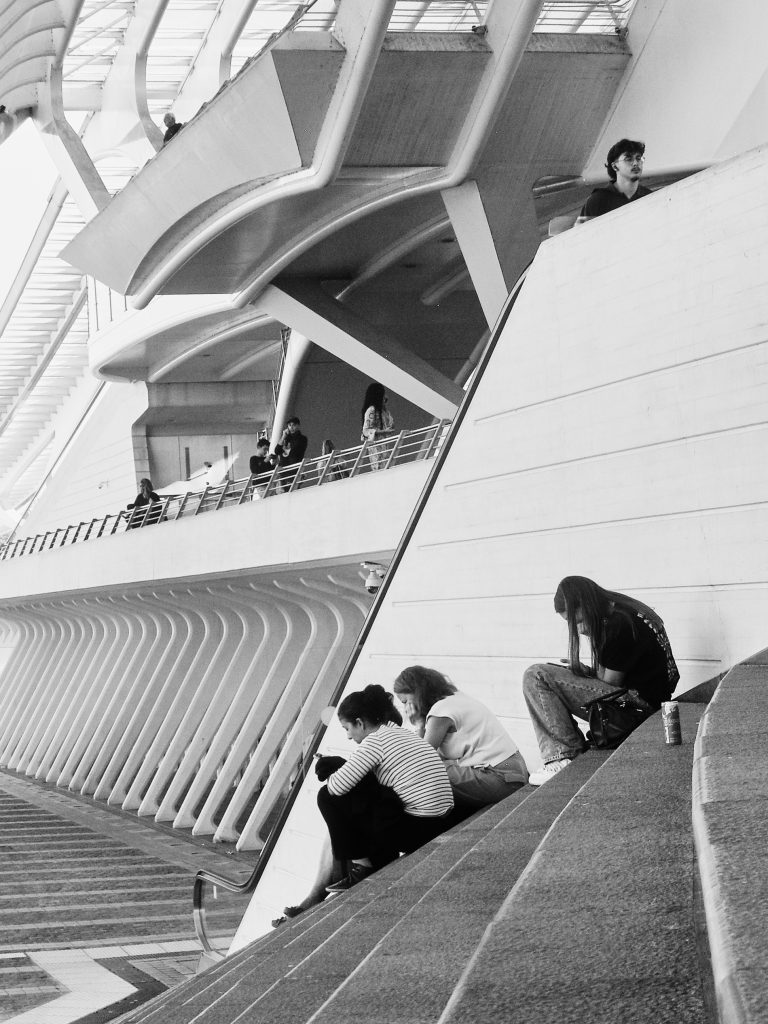
And I’m not disregarding newer gear by any means. I think that some of the cameras that are being released at the moment are technically amazing, and I’m loving the return to more retro designs with Fuji’s cameras, or the Nikon Z-fc. But before thinking that gear is the be all and end all, try out an older camera and see what you learn from the process. You might surprise yourself.