A guide to slowing down and looking at the world around before pressing the shutter.
Growing up, I used to see pictures everywhere. Moments of life would become still in front of me for a split second and I would scramble to get my camera before the moment was lost forever. Sometimes I was successful, capturing a photo at the opportune moment and feeling immensely proud of myself for it. Other times, I would be too slow and lament the loss of a “perfect” photo.
But ever since completing my Level 6 in photography, I lost that. Suddenly the world kept moving. The moments were fleeting, blurred, or didn’t appear at all. Two failed attempts at university and two unplanned gap years later, one simple switch brought it back overnight: I started using my old camera again with a 50mm f1.8 lens. Admittedly, the two unplanned gap years also helped a lot, including a summer spent outside farming and gardening, stepping back from photography entirely for a while, which brought me back to who I was as a person.
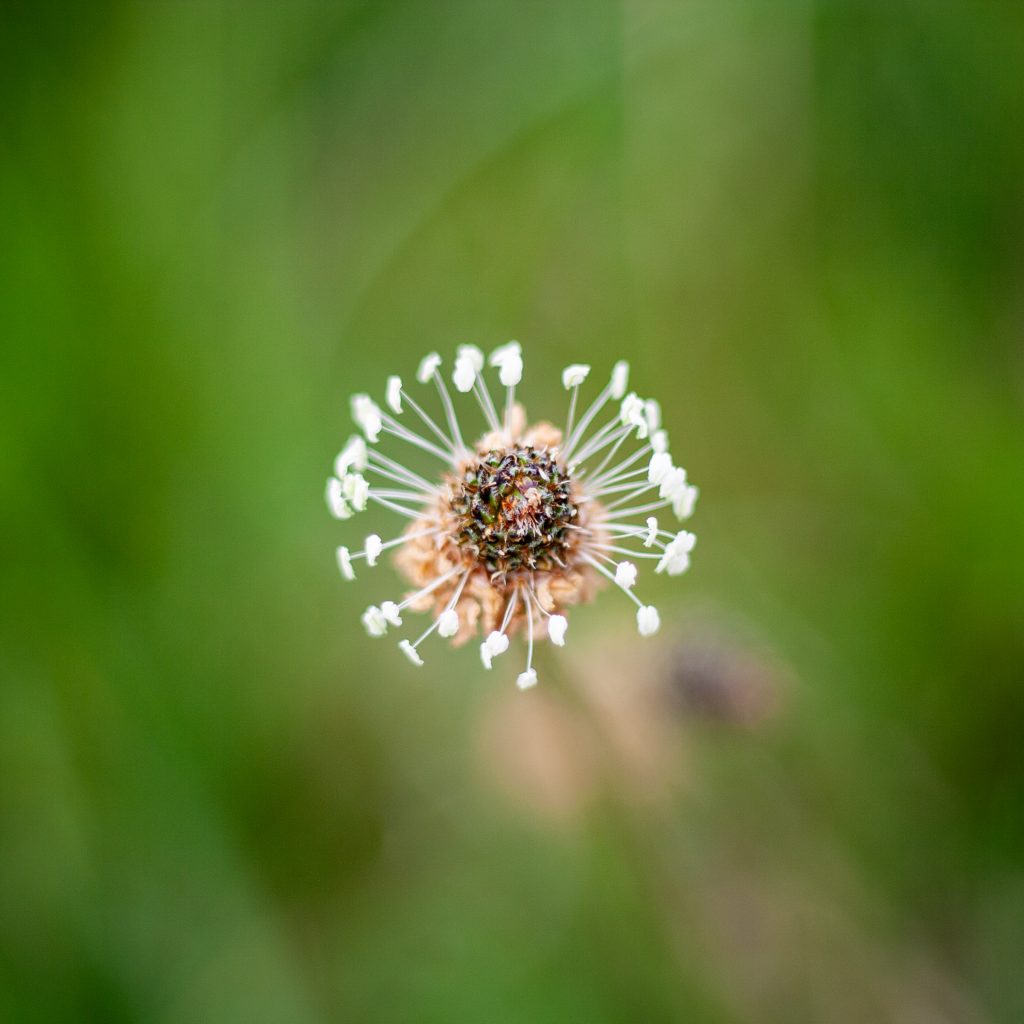
There is a time and a place for convenience, for being able to rely on your equipment to work at a moment’s notice. Nothing can replace the feeling of upgrading to a “smarter” camera and suddenly the horizons of possibility are widened. But sometimes, all the choice and options, the ease, takes the joy out of slowing down and looking for photos again.
The Canon 350D was announced in February 2005, however it wasn’t until 2019 that I got mine. It was a gift from a friend who wasn’t using it anymore and who gave it to me with the usual kit lens of 18-55mm as well as a 70-300mm lens, a piece of kit I was particularly excited about despite the low quality of the glass and, subsequently, the image.
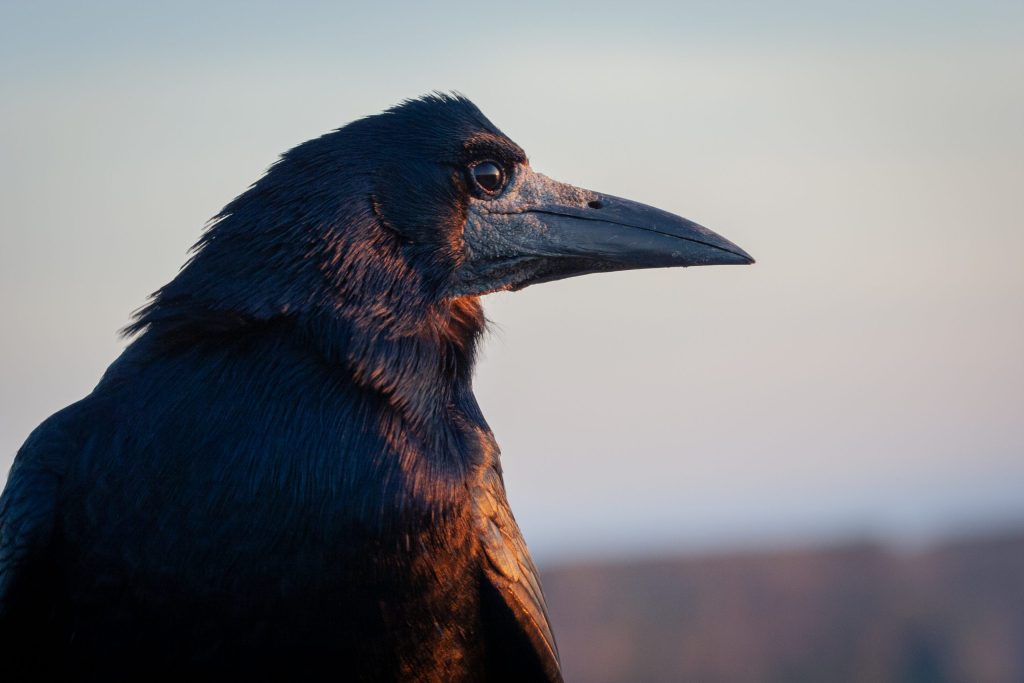
The 350D quickly became my main camera, an upgrade from the family Nikon D100, the 350D was the first camera which was mine and mine alone. At the same time, I also invested in my first lens: a second hand 100mm Macro lens. The glass quality was, to my 15 year old self, incredible, and I used it as my main lens for well over a year. This lens has since broken, much to my sadness.
In my opinion, it was during this period of my photography journey so far that I learned the most about camera settings, lens angles and seeing good photos. I took some of my favourite photos and experimented with other types that I’d never done before. Nothing can beat the feeling of first capturing a macro photo after several years of viewing amazing, detailed photos of insects at camera club to finally being able to bring in my own to share with the club.
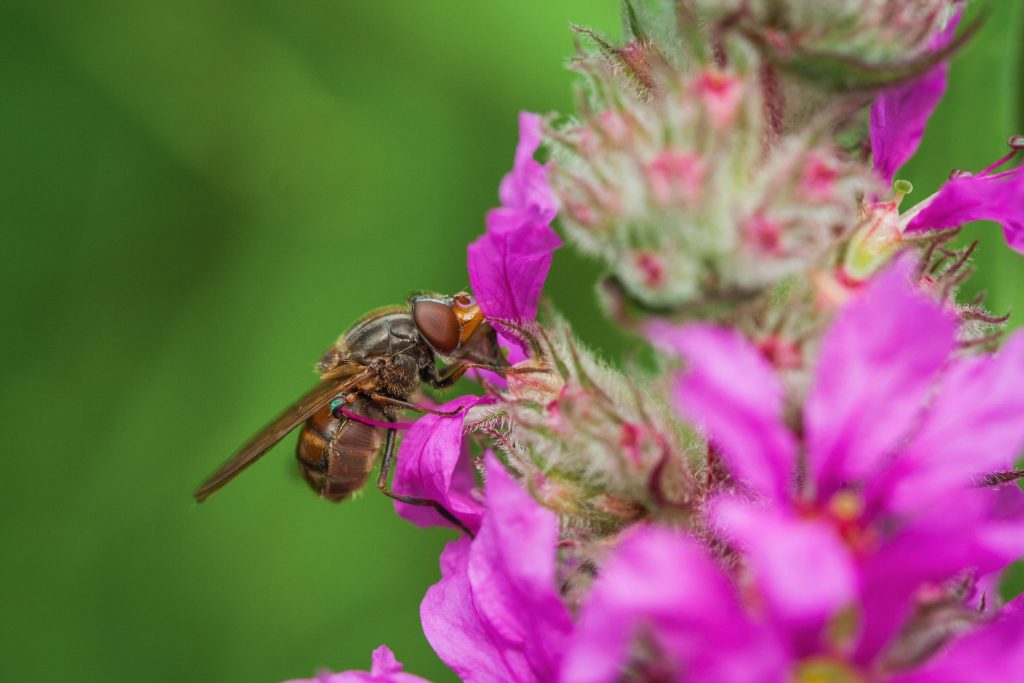
And it wasn’t having access to lots of gear that helped me to grow, it was the restrictions. All of my photos had to be taken at 100mm. If I wanted to be closer or farther from the subject, I physically moved rather than zooming in and out. With no touchscreen, live view or tilting screen, I used the viewfinder of my camera for everything which isolated the subject in front of me to the exact frame of the camera. Without access to Lightroom at the time, I also had to think more carefully about my exposure without resorting to the (digital) age-old excuse of “oh I’ll fix it in post”. I learned how to expose photos correctly to the point where when I used a film camera, I didn’t use a light meter at all.
At a certain stage in college, I decided to upgrade to a Canon 850D, which I know inside and out and I’m still very fond of. However, it was lacking one important feature: inconvenience. Suddenly, I could do loads of stuff with it. I could move the screen around, I could use the touchscreen to focus and take pictures. I could review every photo in detail on the large, shiny screen after I’d taken it. The way I approached photography was about to change.
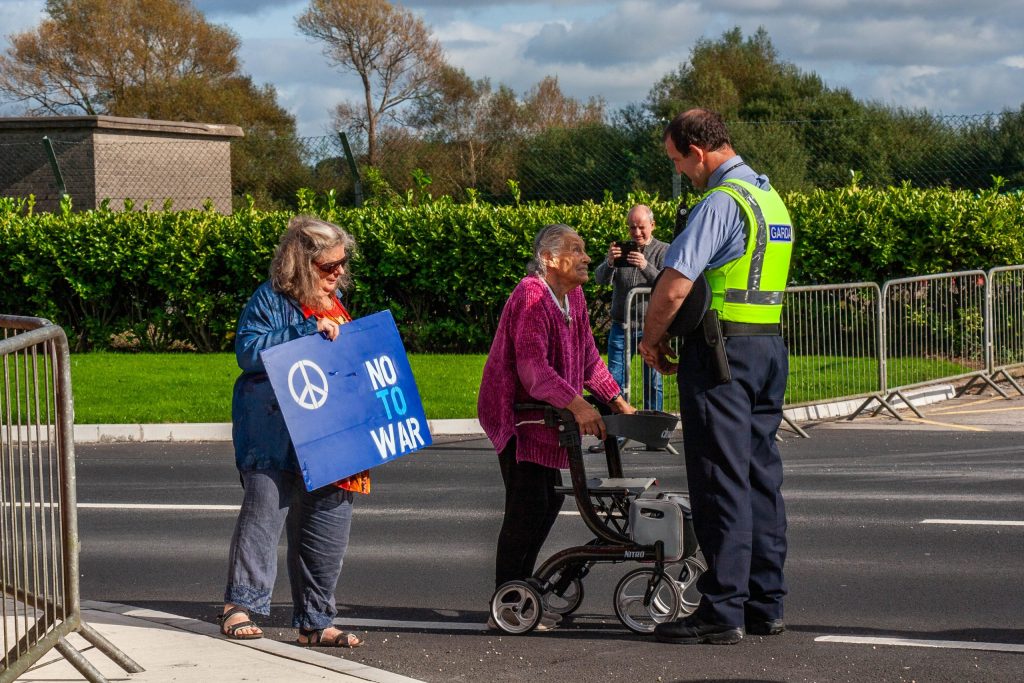
I want to be clear that I believe there is a time and a place for the highest quality technology. Fast, reliable cameras are invaluable at high-paced events or for photojournalism. But sometimes I wonder if we’ve become too accustomed to convenience. What happens when we put in place obstacles for ourselves? Just because we can do everything quickly and efficiently, does it mean we should?
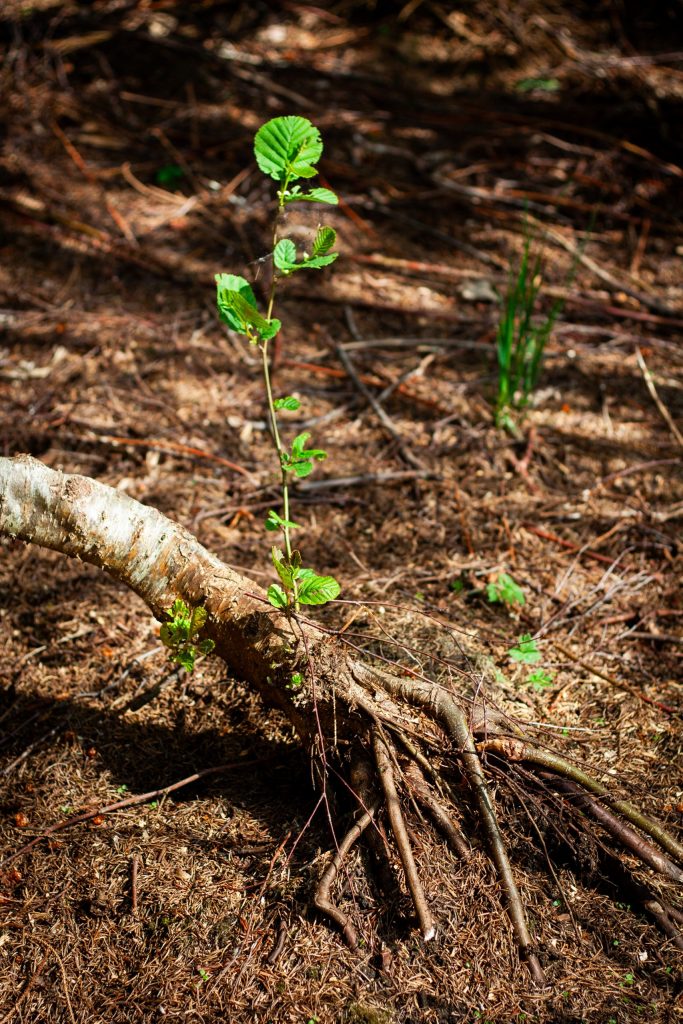
When we make things a little bit awkward, what happens then?
And that’s how I found myself wandering around the woods with my 20 year old camera and a 50mm lens, seeing photos again for the first time in what felt like two years. It took some adjusting to get used to using the older camera after so long. It was humbling how often I instinctively tapped the screen only to remember that there was no touchscreen. Or the moment when I needed to lie flat on my stomach in the pine needles to get the right angle because there was no other way to see except through the viewfinder.
Slowing down meant that each shot was thought out more and I wasn’t rushing to fill up my SD card. Speaking of SD cards, that camera doesn’t have one. It uses CF cards, a superior storage device in my opinion: durable, solid, and for me, a maximum of 8GBs. Having such little storage space compared to my usual 128GB, 3500 RAW photo capacity is a plus. In some cases. And so, I headed out with a capacity of 4GBs and less than 500 photos. While it’s nothing like a film camera with a maximum of 36 photos, it still makes you think differently.
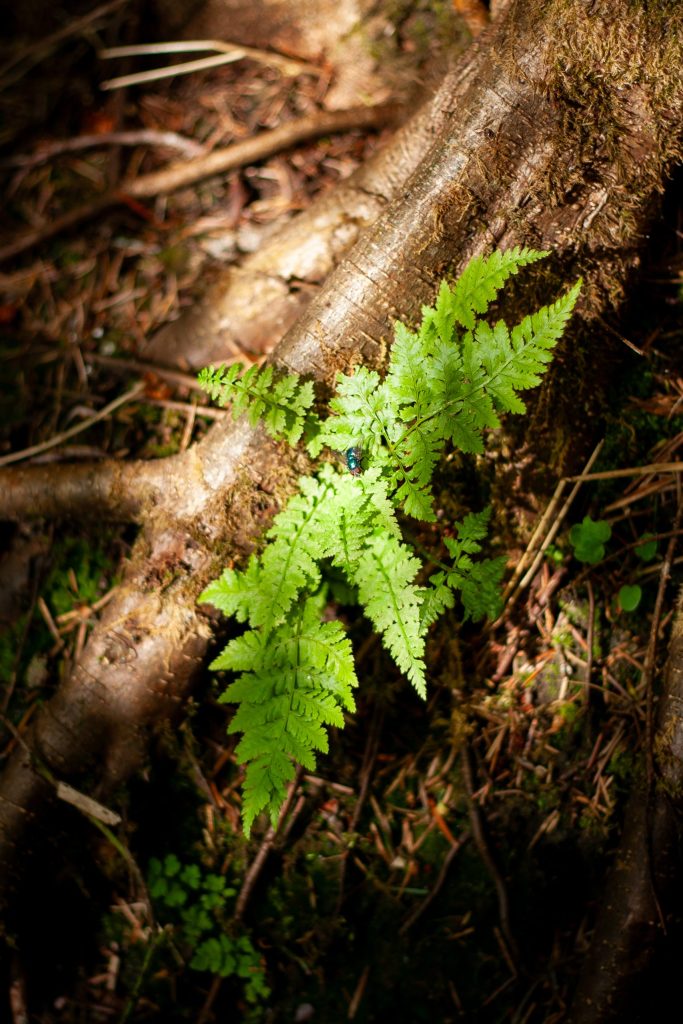
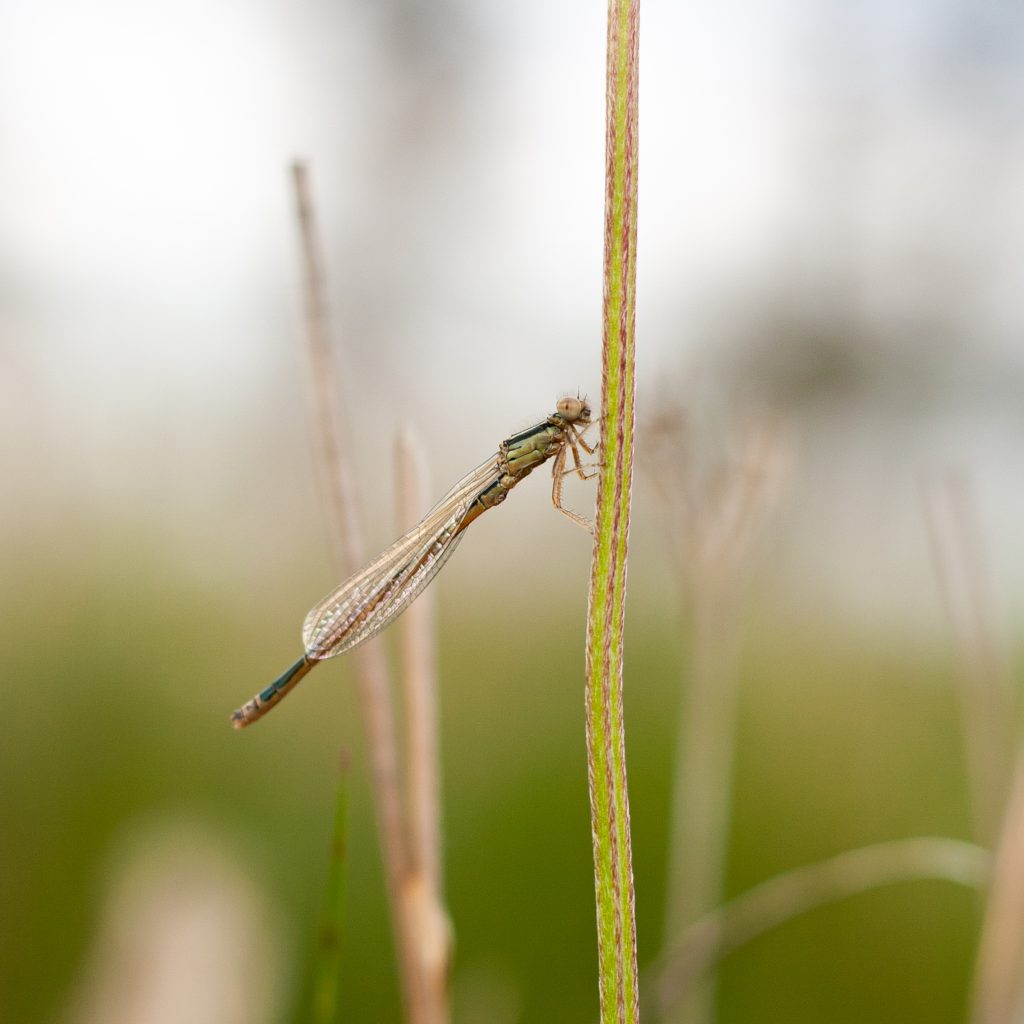
I came back from my wander with about 50 photos of flowers, insects and the woods. I felt connected to the plants and insects I had photographed. I felt present, and connected to the land. I felt like I had truly seen it for the first time in a long time. By swapping out the convenience for a slower piece of technology, my creativity hadn’t just appeared again, it had thrived. For the first time in a long time, I felt like I enjoyed the process of seeing the world through the lens of a camera again.
And maybe it was just the day that was in it, the good light through the trees, the calm and quiet nature, and the trickling of the stream. But maybe by forcing myself to slow down, I noticed those things around me, waited for the dragonflies, and saw the world around me in pictures again.